Pink Cherry Embroidery Review: A Sweet Addition for Craft Fairs
First Impressions of Pink Cherry Embroidery
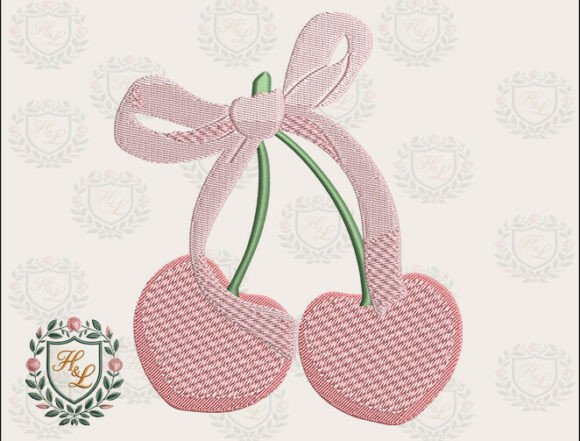
As an experienced embroidery designer, the first thing I notice when reviewing a new design is how it feels—its mood and visual appeal. The Pink Cherry Embroidery instantly gives off a soft, playful vibe that screams "handmade charm." With its two stylized cherries and a delicate pink bow, this design has a subtle elegance with just enough whimsy to catch attention at a craft fair or handmade market. It doesn’t shout; it smiles. That’s exactly what you want for products like tote bags, aprons, and tea towels where personality matters more than loud branding. This design is clearly positioned as a Valentine’s Day favorite, but its versatility extends well beyond February 14th. Its pastel aesthetic works beautifully in spring collections, boutique home goods, and even children’s accessories. It’s not overly seasonal, which makes it a great investment for year-round product lines.Where This Design Shines
I always look for designs that work across multiple product types and bring something unique to each. Here's where the Pink Cherry Embroidery truly stands out:- Tote Bags: Perfect for adding a pop of color and cuteness. Whether paired with floral prints or minimalist styles, the cherries and bow create a focal point without overwhelming the bag.
- Apron Embroidery: This design adds a charming touch to everyday kitchen wear. Placed near the pocket or on the waistband, it elevates the look from basic to boutique-worthy.
- Tea Towel Embroidery: Soft colors and simple shapes make it ideal for embroidered kitchen linens. The cherries add a decorative flair that customers associate with quality handmade items.
- Embroidered Patch: As a patch, it can be sewn onto denim jackets, backpacks, or custom pillows. The small scale still allows the details to shine, especially when using high-quality thread.
- Fabric Pouches and Market Bags: These are popular at craft fairs, and the Pink Cherry Embroidery brings a sweet, eye-catching detail that differentiates your products from the rest.
- Pillow Covers: The softness of the design complements cozy home décor trends. Pairing it with muted background fabrics enhances the cherry’s vibrancy while maintaining a premium feel.
- Handmade Gifts: Ideal for gift tags, mini pouches, or embroidered cards. It adds a personal, thoughtful touch that buyers love.
- Booth Samples: This design looks amazing in person. Its clean lines and gentle curves photograph well and draw people into your booth with a sense of warmth and approachability.
Practical Selling and Production Considerations
The Pink Cherry Embroidery is easy to understand at a glance. Customers immediately recognize the cherries and bow as a cute, classic motif, making it a no-brainer for those shopping for gifts or decorative items. It functions well as both a small accent and a larger focal piece depending on the placement and hoop size used.
This design photographs beautifully for online Etsy listings and printable mockups. The pastel tones stand out against light backgrounds, and the soft edges don't compete with other elements in your product photos. For digital sellers, creating a few mockup variations will help showcase the design’s adaptability and increase buyer confidence.
From a production standpoint, the Pink Cherry Embroidery is repeatable and suitable for batch production. However, keep an eye on stitch density and fabric texture. On thick or textured materials like canvas or linen towels, the design may require additional stabilizer to prevent puckering or distortion. Always test it on scrap fabric before going full-scale.
Things to Watch For
While the Pink Cherry Embroidery is versatile, there are some nuances to consider:- Dense Stitch Areas: The cherries have moderately dense stitching, so ensure your machine and bobbin can handle it smoothly. If not, the result could appear uneven or frayed.
- Tiny Details: The bow and cherry outlines include small, intricate elements. Use good lighting and high-contrast thread colors to make them pop.
- Small Lettering (if applicable): If the design includes any text or subtle lettering, double-check whether it remains legible after embroidery.
- Dark Fabric: While it works on lighter shades, applying it to dark fabric might reduce visibility. Test thread colors to maintain clarity.
- Curved Surfaces: When using this design on curved surfaces like caps or rounded pillow covers, adjust positioning carefully to avoid stretching or misalignment.
Boosting Visual Appeal and Customer Engagement
The Pink Cherry Embroidery does more than just look nice—it tells a story. It speaks to customers who appreciate handcrafted details and feminine aesthetics. In a crowded craft fair, your booth needs pieces that stand out, and this design does precisely that. It adds a layer of sophistication to otherwise simple products, increasing perceived value and encouraging impulse buys.Its soft, approachable style also supports brand consistency if your line leans towards cozy, cottage-core, or modern farmhouse themes. You can easily pair it with other botanical or vintage-inspired embroidery files to build a cohesive collection. As a result, it strengthens your booth display by offering variety within a unified visual identity.
Design Notes for Embroidery Business Owners
- Test on Scrap Fabric: Before embroidering final products, run through a sample on similar fabric to check stitch behavior and overall appearance.
- Check Thread Contrast: Make sure the thread colors you choose pop against your chosen fabric. Pastels often work better on neutral or light-colored bases.
- Review Spacing and Placement: Ensure the design fits comfortably within your intended hoop size and doesn’t bleed into seams or edges.
- Confirm Hoop Size: Since the file isn’t specified with exact dimensions, verify the recommended hoop size to avoid issues during production.
- Inspect Stitch Density: Especially important for commercial embroidery runs. Too much density can lead to skipped stitches or fabric damage.
- Use the Right Stabilizer: Light-weight tear-away or wash-away stabilizers are typically sufficient, but adjust based on fabric type and thickness.
- Create Real Mockups: Showcasing a physical sample helps customers visualize the design on actual products. Don’t rely solely on digital mockups.
- Compare Fabric Colors: Try the design on several fabric hues to see which ones highlight its features most effectively.
- Confirm Commercial Licensing: If you're planning to sell finished products, make sure the digital embroidery file comes with proper commercial use rights. This is essential for Etsy sellers and small shop owners alike.