Seam Ripper Embroidery Design Review for Real Projects
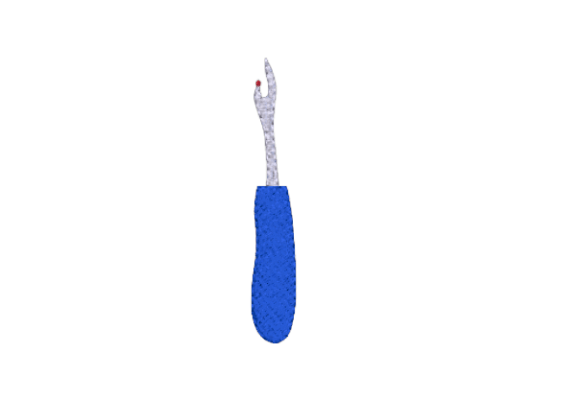
When I first opened the Seam Ripper embroidery file, it struck me as a design that blends both whimsy and utility. The shape is clean, with a stylized representation of a seam ripper tool — something every sewer recognizes instantly. It’s not too detailed to be overwhelming, but just enough to convey character. The layout feels balanced and centered, which makes it easy to adapt to different project types. This is one of those designs that immediately suggests practicality without sacrificing charm.
A Versatile Tool for Crafters and Makers
The Seam Ripper machine embroidery design has a distinct visual personality: playful yet professional. It works well in both casual and curated settings, making it ideal for a wide range of handmade products. I can see this design fitting nicely on a custom sweatshirt or tote bag, especially for a sewing-themed gift or boutique item. Its bold lines and clear outlines make it stand out even when placed among other embroidered elements, so it’s great for layered projects like aprons or pillow covers where multiple motifs are used together.
Real-World Project Testing
To test its real-life performance, I stitched the Seam Ripper onto a few common items: a cotton tea towel, a medium-weight sweatshirt, and a felt patch for an apron. On the tea towel, the design looked sharp and added a subtle decorative touch. On the sweatshirt, it held up well, with no puckering in the satin stitch areas. For the felt patch, I found that using a stabilizer underneath helped maintain the integrity of the running stitches in the handle part of the design.
In each case, the design maintained clarity and structure, which is essential for any motif intended to be seen and appreciated at a glance. The stitch density wasn’t too heavy, so it didn’t distort the fabric — a big plus for everyday wearables or washable items like towels and baby clothes.
Where Seam Ripper Shines
- Custom Apparel: Perfect for adding a personal touch to t-shirts, sweatshirts, or even jackets. The design doesn’t overpower the garment, making it suitable for minimalist looks.
- Tote Bag Design: Stamped boldly on a linen or canvas tote, Seam Ripper becomes a conversation starter. It adds visual interest without being too busy.
- Baby Embroidery: As a small motif, it pairs well with other sewing tools or phrases like “Little Fixer” or “Tiny Tailor,” making it a darling detail for nursery decor or baby onesies.
- Embroidered Patch: Ideal for creating patches for aprons, backpacks, or denim. Just ensure you use proper backing and apply heat if needed for durability.
- Holiday Gifts: When paired with seasonal themes (like a Christmas sweater), Seam Ripper brings a subtle nod to craftsmanship, elevating the gift from generic to thoughtful.
- Craft Business Branding: This design could serve as a brand logo or signature element for a sewing-focused Etsy shop or small shop product line.
When to Use Seam Ripper with Caution
While the Seam Ripper embroidery design is versatile, there are situations where extra attention is needed:
- Small Hoop Sizes: If your hoop size is tight, the full design might not fit. Consider resizing carefully or selecting only parts of the design for smaller placements.
- Textured Fabrics: Stitching on flannel, fleece, or knits may cause the satin stitches to lose their smooth finish. Always do a test run on similar material.
- Thin or Stretchy Fabrics: Delicate materials like silk or stretchy jerseys require a light touch. Too much stitch density or incorrect stabilizer can cause distortion.
- Dark Fabric Backgrounds: While the design is clear, thread colors need to contrast well. White or pastel threads may not show up as expected on darker materials.
- Curved Surfaces: Placing the design on a cap or curved part of a hoodie needs precise alignment. Otherwise, the image can appear skewed.
- Frequent Washing: For kitchen towels or baby items, consider using all-purpose or wash-away stabilizers to prevent shifting or fraying over time.
Design Notes for the Pros
As someone who regularly creates and evaluates embroidery designs for clients and my own handmade products, I recommend taking these steps before finalizing a project with Seam Ripper:
- Test on Scrap Fabric: Especially important for commercial or client work. It helps avoid surprises in how the design behaves on different textures.
- Check Thread Color Contrast: Make sure the chosen thread colors pop against your base fabric. A black and white mockup can help visualize this better than color previews alone.
- Review Stitch Density: Some sections have denser fill stitch, which could cause issues on certain fabrics. Adjusting the stitch count or spacing might be necessary.
- Confirm Hoop Size: If the design requires more space than your available hoop allows, you may need to split it or resize thoughtfully.
- Inspect Small Details: Look closely at intricate parts like the serrated edge or the metal loop. These should be clearly defined and not merge into the background when stitched.
- Use Proper Stabilizer: Depending on the fabric, cutaway or tear-away stabilizer will make a difference in how smoothly the design comes out.
- Verify Commercial Use Rights: If you're planning to sell finished products or digital design assets, always check licensing terms before going live with your listings.
Visual Appeal and Professionalism
The Seam Ripper design contributes significantly to the visual appeal of a project. Its clear lines and familiar iconography make it instantly recognizable, which enhances the design assets you create. In a custom apparel context, it adds a sense of identity — perfect for a personalized gift or a branded piece for a craft business. As a decorative accent, it subtly conveys creativity and a love for sewing, which can resonate well with customers who value artisanal touches.
From a professionalism standpoint, using this design consistently across your small shop products or Etsy listings can reinforce brand recognition. Whether it’s on a label or a patch, Seam Ripper becomes a signature element that ties your products together visually.
Stitch Clarity and Customer Trust
One of the most important aspects of any machine embroidery design is stitch clarity. The Seam Ripper performs admirably in this area. Even after washing the sample items, the design remained intact with minimal fading. This kind of durability builds customer trust, especially for commercial embroidery or items sold in handmade shops.
I also noticed that the design adapts well to different thread weights and types. Using standard embroidery threads worked fine, but for a higher-end look, thinner or metallic threads could enhance the detail further — particularly in the handle and blade areas.
Enhancing Product Value and Giftability
Adding Seam Ripper to a product elevates its perceived value. A simple kitchen towel suddenly feels like a premium item when it features this clever little tool. Similarly, placing it on a custom sweatshirt or tote bag transforms it from ordinary to meaningful — especially if the recipient is into sewing or crafting themselves.
Its presence on a personalized gift signals care and intentionality. For instance, stitching it onto a baby blanket or a holiday ornament gives it a story behind it, which increases giftability and emotional resonance.
Final Thoughts for Embroidery Designers and Sellers
Overall, the Seam Ripper embroidery design is a solid addition to any designer's collection. It offers a unique blend of function and flair, and it’s adaptable enough to suit both personal and commercial embroidery projects. However, like any good design, it requires thoughtful application based on the fabric, placement, and purpose of the finished product.
If you’re considering using it in your next project — whether it’s for a client, a craft fair, or your Etsy store — take the time to test it out. Try different thread colors, experiment with backgrounds, and assess how it holds up under real-world conditions. This way, you’ll ensure the design complements your vision rather than complicating it.
Remember, the best embroidery isn’t just about what looks good on screen — it’s about how it translates to fabric and how it stands the test of time. With Seam Ripper, you’ve got a design that passes that test with flying colors, as long as you give it the attention it deserves during setup and execution.